CranioSacral Therapy (CST) is a gentle, hands-on approach that focuses on the central nervous system. It promotes healing and well-being by releasing tension deep in the body. This therapy can help with various issues, from chronic pain to stress relief. In this blog post, we will explore the techniques of CranioSacral Therapy and how they can enhance your overall well-being.
CST is based on the idea that the body has its own natural healing abilities. By using light touch, your practitioner can help release restrictions in the craniosacral system. This system includes the membranes and fluid surrounding the brain and spinal cord. When these areas are free from tension, the body can function better.
Understanding CranioSacral Therapy
CranioSacral Therapy is rooted in the work of Dr. John Upledger, an osteopathic physician. He developed this therapy in the 1970s after discovering the importance of the craniosacral system. CST is now widely used by therapists, chiropractors, and other health professionals.
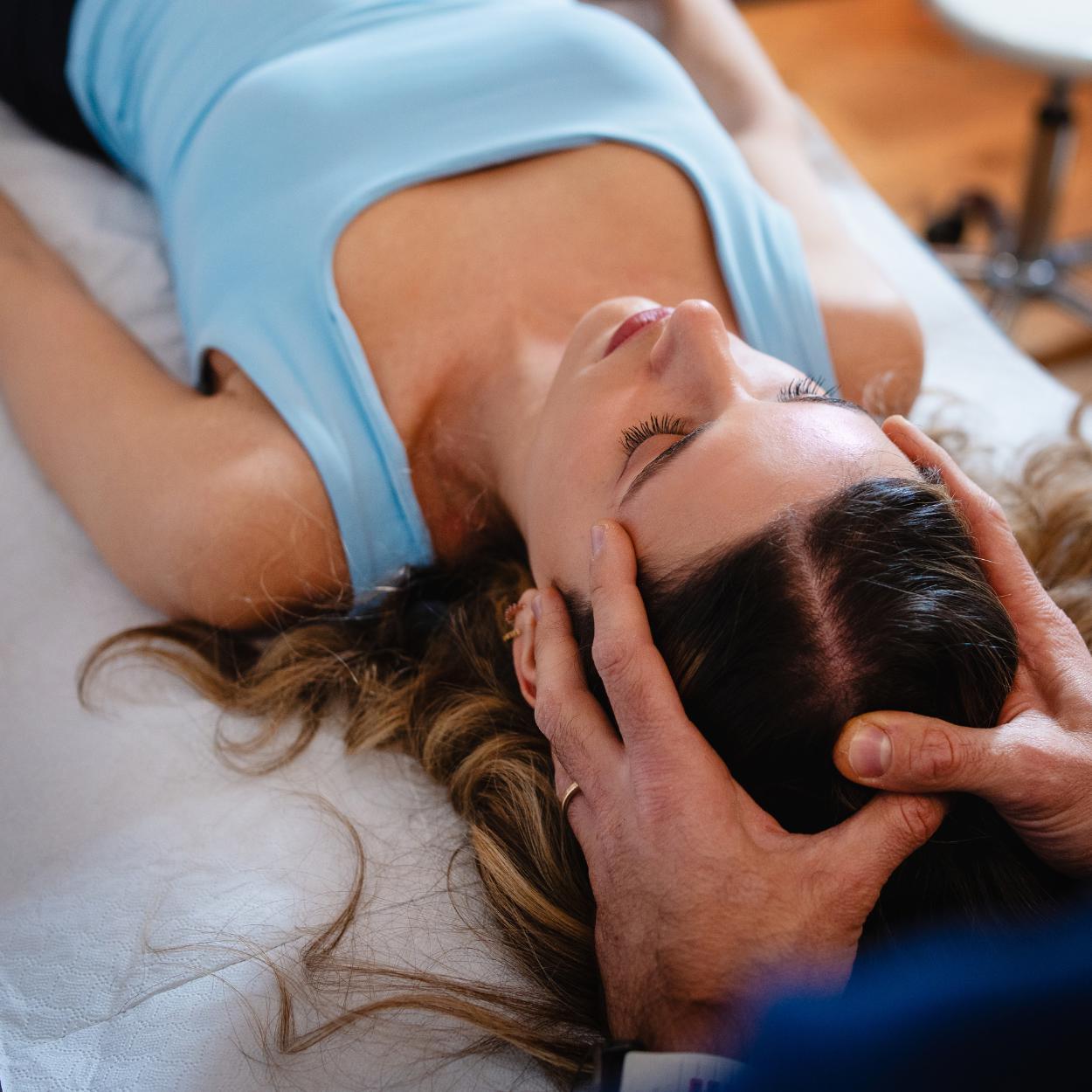
The therapy involves a series of gentle manipulations. Practitioners use their hands to feel for restrictions in the craniosacral system. They then apply light pressure to release these restrictions. This process can help alleviate pain, improve mobility, and promote relaxation.
Benefits of CranioSacral Therapy
CST offers numerous benefits, including:
- Migraines and Headaches
- Chronic Neck and Back Pain
- Stress and Tension-Related Disorders
- Motor-Coordination Impairments
- Immune Disorders
- Post-Concussion Symptoms
- Chronic Fatigue
- Fibromyalgia
- TMJ Syndrome
- Scoliosis
- Central Nervous System Disorders
- Learning Differences, ADD, ADHD
- Alzheimer's
- Post-Traumatic Stress Disorder
- Orthopedic Problems
- And many other conditions
How to Prepare for a CranioSacral Therapy Session
Preparing for a CST session can enhance your experience. Here are some tips to help you get ready:
- Wear comfortable clothing: Loose, comfortable clothing allows for easy movement during the session.
- Arrive early: Give yourself time to relax before your session. Arriving early can help you settle in and prepare mentally.
- Communicate openly: Share any concerns or specific issues with your practitioner. This information can help them tailor the session to your needs.
- Stay hydrated: Drink plenty of water before and after your session. Staying hydrated can help support the body's healing processes.
What to Expect During a Session
During a CranioSacral Therapy session, you will lie on your back, fully clothed. The practitioner will begin by assessing your craniosacral rhythm. They will use gentle touch to identify areas of tension or restriction.
The session usually lasts between 60 to 75 minutes. You may feel deeply relaxed during the session. Some clients even fall asleep. It is common to experience a sense of warmth or tingling in the areas being treated.
After the session, you may feel a sense of lightness or clarity. Some people experience emotional releases, while others may feel physical relief. It is essential to take time to rest and integrate the experience afterward.
Incorporating CranioSacral Therapy into Your Wellness Routine
CranioSacral Therapy can be a valuable addition to your wellness routine. Here are some ways to incorporate it into your life:
- Regular sessions: Consider scheduling regular CST sessions to maintain your well-being. Monthly or bi-monthly sessions can help keep your body balanced.
- Practice self-care: Incorporate self-care practices into your routine. Activities like pilates and gentle stretching can help support the benefits of CST.
- Listen to your body: Pay attention to how your body feels after a session. If you notice areas of tension returning, consider scheduling another appointment.
Embracing the Journey to Well-being
CranioSacral Therapy is a powerful tool for enhancing well-being. By understanding the techniques and benefits, you can make informed decisions about your health. Whether you are seeking relief from pain, stress reduction, or emotional balance, CST can support your journey.
Important Note: There are a few situations in which CST is not recommended. They include any condition in which changs in intracranial pressure are still a concern (ex. non-shunted hydrocephaly, acute aneurysm, recent skull fracture, recent cerebral hemorrhage), or a recent epidural location that hasn't fully healed. If you have any questions about whether these situations apply to you, seek the advice of your physician before receiving a CST session.